A buyer asks a supplier for “ojon oil.” Another asks for “batana oil.” A third asks for “American palm kernel oil.” All three are asking for the same thing, and all three may end up wondering whether they bought the right product.
Yes, ojon oil and batana oil are the same oil. Both names refer to the oil made from the kernels of the American oil palm, Elaeis oleifera, traditionally prepared by hand by Miskito communities in La Mosquitia, Honduras. On an ingredient list, both have the same INCI name: Elaeis Oleifera Kernel Oil.
The difference is history and marketing, not botany. This guide explains where each name comes from, why the confusion matters to brands and distributors, and how to use both names correctly.
Where does the name “ojon” come from?
“Ojon” is another name for the American oil palm and its oil. For most people in North America and Europe, though, the word arrived through a brand.
In the early 2000s, a Canadian entrepreneur built a premium hair care company around palm oil gathered by the Tawira Miskito of Honduras, a group often described as “the people of beautiful hair.” The brand was called Ojon. Its products sold through department stores and television shopping channels, and the oil became known as a rare, traditional rainforest ingredient.
In July 2007, Estée Lauder bought the Ojon company, which pushed the name even further into the mainstream. For several years, if a shopper in the United States had heard of this oil at all, they knew it as “ojon.”
Where does the name “batana” come from?
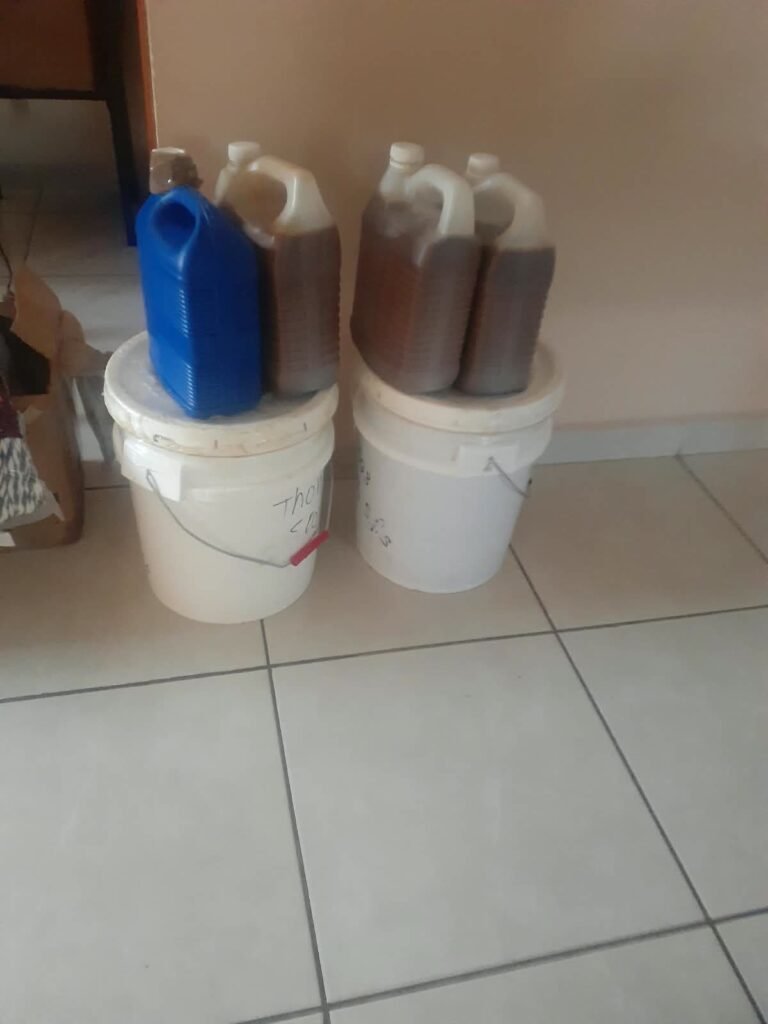
“Batana” is the name used by many people in Honduras, including in La Mosquitia, for the same palm oil. It is the word you will hear from producers and the word you will see on local containers.
Over the last few years, the oil has become a social media trend, and “batana” is the name that went viral. Today, it is by far the name people type into search engines, along with phrases like “batana oil from Honduras” and “raw batana oil.”
So, in simple terms:
- Ojon is the name the international market learned first, through a brand.
- Batana is the name the producers use, and the one the market uses now.
Ojon vs batana: a side-by-side comparison
| Ojon oil | Batana oil | |
|---|---|---|
| Botanical source | Elaeis oleifera kernels | Elaeis oleifera kernels |
| INCI name | Elaeis Oleifera Kernel Oil | Elaeis Oleifera Kernel Oil |
| Origin | La Mosquitia, Honduras | La Mosquitia, Honduras |
| Traditional producers | Miskito communities, especially the Tawira | Miskito communities, especially the Tawira |
| Where the name is used | Mostly by older North American brands and shoppers | Producers in Honduras and most of today’s market |
| Also refers to | A former hair care brand | Only the oil |
The only real difference in the table is the last two rows. The product is identical.
From the field. The families we buy from in La Mosquitia call their oil batana, and they make it the way their parents and grandparents did. The name changed abroad; the oil and the people who make it did not.
Why does the name confusion matter for buyers?
If both names describe the same oil, why should a business care? Because confusion is where problems hide.
1. Some products use the name without the oil
Because “ojon” and “batana” are both well known, some sellers use the words as marketing terms. A bottle may say “ojon” or “batana” on the front while containing mostly other oils. The name on the label proves nothing by itself.
2. A brand name is not an ingredient
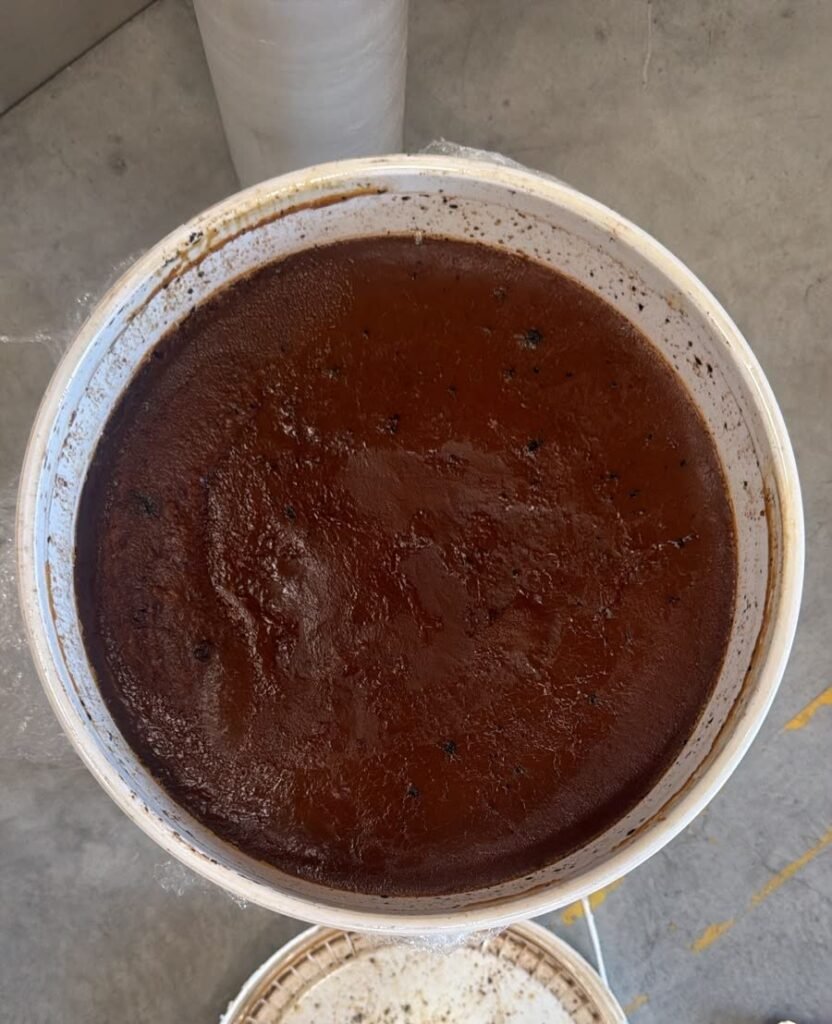
Some shoppers still think “Ojon” means a specific brand’s formula. If your customers remember the old Ojon products, they may expect a particular texture or scent that came from a finished formula, not from the raw oil. Raw batana is dark, roasted and firm in cool weather, which can surprise someone expecting a blended, perfumed product.
3. The real identifier is the INCI name and the origin
The way to cut through the names is the same in every case: ask for the INCI name (Elaeis Oleifera Kernel Oil) and a specific origin (La Mosquitia, Honduras). If a supplier cannot give you both, the name on the drum does not matter. Our guide to real vs fake batana oil covers nine practical checks.
Is ojon oil different from palm oil?
Yes, and this is a separate confusion worth clearing up. Common palm oil comes from the fruit pulp of the African oil palm, Elaeis guineensis, grown on large plantations. Ojon or batana oil comes from the kernels of a different species, the American oil palm, Elaeis oleifera, which grows wild in Central and South American wetlands.
The two species are related, but they are different raw materials with different stories and different INCI names. Ojon or batana should never be sold as if it were the same as generic palm kernel oil. For a fuller comparison, see our guide to what batana oil is.
How should you use “ojon” and “batana” on your products?
If you are building a product line, here is a simple approach:
- Ingredient list: always the INCI name, Elaeis Oleifera Kernel Oil. Nothing else is needed there.
- Product name: “batana” is what most shoppers search for today. A name like “Raw Honduran Batana Oil” is clear and searchable.
- Description: mention both names once, for example “Batana oil, also known as ojon oil, is made from the kernels of the American oil palm in La Mosquitia, Honduras.” This helps customers who know either word.
- Avoid implying a brand. Do not suggest your product is connected to the former Ojon brand unless it is.
- Claims: describe cosmetic benefits and the traditional use in La Mosquitia. Avoid promises of hair growth or treating hair loss, which regulators such as the FDA consider drug claims.
Whatever you call it, start with the real oil. Order a paid sample of raw batana from La Mosquitia and compare it with any “ojon” or “batana” product you have used before. Ask for a sample
What should real ojon or batana oil be like?
Since the names are interchangeable, the quality checks are the same:
- Color: dark brown, varying slightly between batches.
- Aroma: roasted, smoky and slightly nutty, from cooking the kernels over a wood fire.
- Texture: firm or grainy in cool rooms, soft or liquid with heat.
- Processing: raw and unrefined, with no bleaching, deodorizing or added oils.
- Origin: La Mosquitia, in the department of Gracias a Dios, Honduras.
A pale, odorless oil sold as “ojon” deserves the same questions as a pale, odorless oil sold as “batana.”
Other names you may see for the same palm
Ojon and batana are not the only names in circulation. The American oil palm grows across a wide area of Central and South America, and different regions have their own names for it. In South America, for example, it is known as caiaué in Brazil and nolí in Colombia. In trade and scientific documents you will also see:
- American oil palm, the common English name of the species.
- Elaeis oleifera, the botanical name.
- Elaeis Oleifera Kernel Oil, the INCI name for the oil from its kernels.
For a buyer, these names point to the same species. They do not, however, guarantee the same product. Batana from La Mosquitia is defined not just by the palm, but by the region, the producers and the traditional hand process over a wood fire. An oil from the same species, pressed industrially somewhere else, may be technically Elaeis oleifera kernel oil and still look, smell and behave very differently.
Questions to ask a supplier who sells “ojon oil”
If a supplier offers you “ojon oil,” treat it exactly like a batana offer and ask:
- What is the INCI name on your documents? The answer should be Elaeis Oleifera Kernel Oil.
- Where is it made? Look for a specific origin, such as La Mosquitia, Gracias a Dios, Honduras.
- Is it raw or refined? Has it been bleached, deodorized or blended with other oils?
- Is it a finished product or a raw ingredient? Some “ojon” products are formulas with many ingredients.
- Can I buy a sample first? A serious supplier will let you test before a bulk order.
- What documents come with an export shipment? From Honduras, expect an invoice, a packing list and a phytosanitary certificate.
If the answers are vague, the name on the label is just marketing.
Why we use the name “batana”
We call our product batana oil for three reasons. It is the name used by the Miskito families we buy from. It is the name today’s buyers search for. And it keeps the focus on the ingredient and its origin, not on a brand from the past.
If you ask us for ojon oil, you get exactly the same oil: Elaeis Oleifera Kernel Oil, raw and unrefined, bought directly from producer communities in La Mosquitia and exported from Honduras with an invoice, a packing list and a phytosanitary certificate. You can see the product specs and available sizes on our main page.
The bottom line
Ojon and batana are two names for one oil. “Ojon” is the name the world learned through a brand; “batana” is the name the producers use and the market uses now. What matters is not which word is on the label, but whether the oil inside is real: the right palm, the right origin and a raw, traditional process.
If you are still getting to know this ingredient, start with our overview of what batana oil is. If you already know what you want, ask us for a sample or a quote.