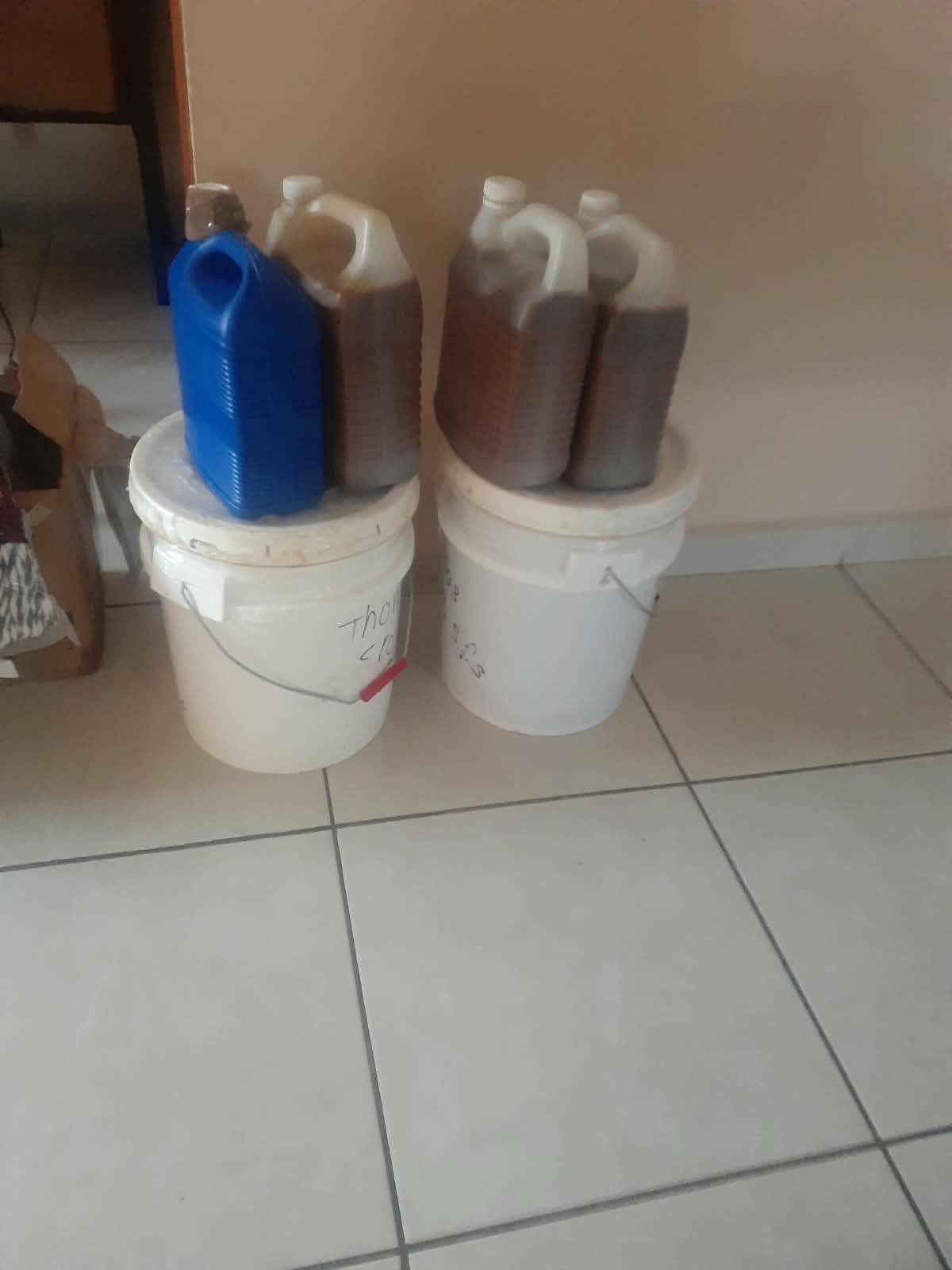
Picture two jars side by side. Both are labeled “100% pure batana oil.” One is dark brown and smells like a wood fire. The other is the color of honey and smells like almost nothing. Same name, similar price, completely different products. Anyone shopping for batana online today will run into this.
To tell if batana oil is real, check five things: color, aroma, texture, documents and origin. Authentic batana is dark brown, smells roasted and smoky, firms up in the cold and softens with heat, carries the INCI name Elaeis Oleifera Kernel Oil, and comes from La Mosquitia, Honduras, ideally bought directly from Miskito producers. If any of those is missing, ask questions before you buy in bulk.
Below are nine practical checks you can run with a sample and a few emails. None of them requires a laboratory, though we explain where lab work fits at the end.
Why is there so much fake batana oil?
Batana went from a niche traditional oil to a social media trend in a very short time. Demand grew much faster than production could, because authentic batana is made by hand, from wild palms, in a remote region.
When demand outruns supply, the gap gets filled. In the batana market we commonly see:
- Blends, where a small amount of batana is mixed with cheaper carrier oils.
- Refined oils, bleached and deodorized until the color and smell disappear.
- Substitutes, other palm kernel oils sold under the batana name.
- Relabeling, where resellers buy an unknown oil and add a “Honduran” story.
Not every light-colored oil is a fraud, and not every reseller is dishonest. But as a business buyer, your brand carries the risk. These checks help you manage it.
The 9 checks
Check 1: Color
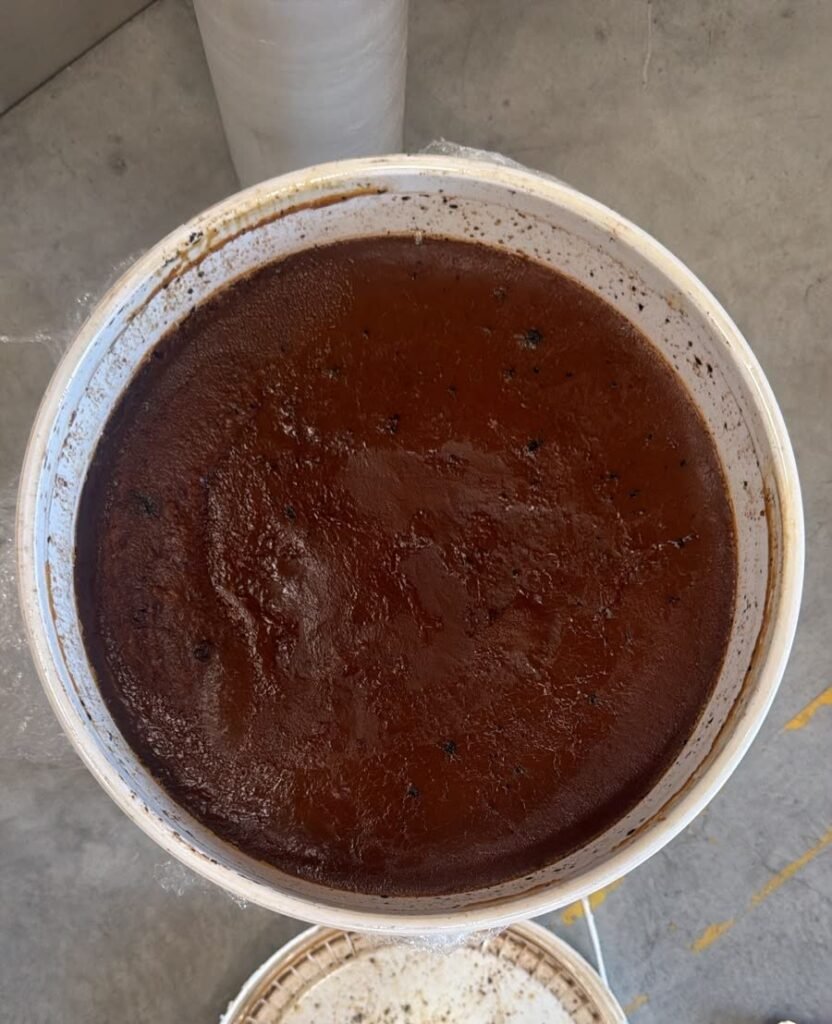
Pour a little of the sample into a clear glass container. Authentic, traditionally made batana is dark brown, sometimes almost black in a thick layer and amber-brown in a thin one. The shade varies between batches, because each batch is cooked over a wood fire by hand.
Red flag: a pale yellow or golden oil sold as “raw” or “traditional” batana.
Check 2: Aroma
Smell it at room temperature. Real batana has a strong roasted, smoky, slightly nutty aroma, the signature of the cooking step.
Red flags: no smell at all (often a sign of deodorizing), a smell of another oil you recognize, or a sour, rancid or paint-like smell (the oil has gone bad).
Check 3: Texture and temperature
Leave the sample in a cool room or the refrigerator for a few hours, then let it warm up. Batana firms up and can look solid in the cold, and softens or turns liquid with heat.
Red flag: an oil that stays perfectly liquid and clear in the cold may be a different oil or a blend with a lot of liquid carrier oil.
Check 4: The INCI name and botanical source
Ask for the ingredient name on the supplier’s documents. It should be Elaeis Oleifera Kernel Oil, from the American oil palm, Elaeis oleifera.
Red flags: “Elaeis Guineensis” (the African palm), a vague “palm oil,” a blend of names, or a supplier who does not know.
Check 5: A specific origin
Ask where the oil is made. The answer you want is specific: La Mosquitia, Gracias a Dios, Honduras.
Red flags: “Central America,” “the rainforest,” “Africa and Honduras,” or a story that changes between emails.
Check 6: How the supplier buys the oil
Ask whether the supplier buys directly from producers or from another trader. A direct relationship is easier to verify and usually means fresher, better-handled oil.
Red flag: a supplier based far from Honduras who cannot explain how the oil reaches them.
Check 7: Raw or refined, stated clearly
Ask directly: “Is this oil bleached, deodorized, filtered with chemicals or blended with anything?” A supplier of raw batana should answer without hesitation.
Red flag: marketing words like “purified” or “enhanced” with no clear explanation.
Check 8: Export documents that match
For an international shipment from Honduras, expect an invoice, a packing list and a phytosanitary certificate. The product description and origin on those documents should match what you were told.
Red flag: documents that describe a different product, or a refusal to provide any.
Check 9: A real sample, then a small first order
A serious supplier will sell you a sample and let you start small. Test the sample in your actual formulation: blend it, heat it, store it for a few weeks and watch how it behaves.
Red flag: pressure to commit to a large order before you have handled the product.
Run these checks on our oil. We sell paid samples of raw batana from La Mosquitia so you can test color, aroma and texture yourself, and our minimum order is just one gallon. Ask for a sample
Quick reference: real vs suspicious batana
| Check | Authentic batana | Ask more questions |
|---|---|---|
| Color | Dark brown, varies by batch | Pale yellow, perfectly uniform |
| Aroma | Roasted, smoky, nutty | Odorless, or smells like another oil |
| Cold behavior | Firms up, can look solid | Stays clear and liquid |
| INCI | Elaeis Oleifera Kernel Oil | Elaeis Guineensis, “palm oil,” unknown |
| Origin | La Mosquitia, Honduras | “Central America,” vague |
| Sourcing | Direct from producer communities | Unknown chain of traders |
| Documents | Invoice, packing list, phytosanitary certificate | Missing or inconsistent |
Where does laboratory testing fit?
If you are a formulator or contract manufacturer, you may want lab data. Tests such as a fatty acid profile, acid value or peroxide value can help you:
- confirm that each delivery is consistent with the last one,
- detect obvious substitutions or heavy blending, and
- check that the oil is fresh and has been stored well.
Be realistic, though. There is no single, universally accepted public test that certifies “this is real batana.” Lab work is most useful when you compare deliveries against a sample you already trust. That is why origin, transparency and a hands-on sample check remain the foundation.
What about price?
Price alone does not prove anything, but it is a useful signal. Authentic batana is made by hand, from wild palms, in a region without highways. If an offer is far below what traditional production can sustain, the oil probably did not come from there. On the other hand, a high price is no guarantee either. Use price as a reason to ask questions, never as the answer.
From the field. For a serious buyer, the most important question is not about price. It is: “How do I know your batana is real?” Our answer is always the same: do not take our word for it. Buy a sample, run these checks, compare it with what you have, and then decide.
A simple side-by-side test you can do in one afternoon
If you already have batana from another source, the fastest way to learn is to compare. You need two small clear jars, a refrigerator and a notebook.
- Label both jars with the supplier and batch number.
- Fill them to the same level at room temperature and photograph them together in daylight. Compare the color.
- Smell each one with a short break in between, and write down what you notice.
- Refrigerate both for three to four hours. Photograph them again and note which one firms up and how much.
- Let them warm up and rub a small amount of each between your fingers. Note the feel, how fast it melts and how it absorbs.
- Blend each one into a small test batch of your product at the same percentage and compare the results after a week.
This is not a scientific test, but it turns vague impressions into notes you can share with your team and your supplier. Many buyers find that the difference is obvious from step 2.
What if you already bought suspicious batana?
It happens, especially with the first order from a new supplier. If your oil fails several of these checks:
- Stop using it in production until you have answers, especially if you market it as authentic or Honduran.
- Write to the supplier with your observations and photos, and ask for the INCI name, origin and processing in writing.
- Review your labels and marketing. If you cannot confirm the origin, do not claim it.
- Keep a retained sample of each batch you receive, sealed and labeled, so you can compare future deliveries.
Then start again with a supplier who can answer every question on this list.
How we answer these questions
Since we are asking you to hold suppliers to this standard, here are our own answers:
- INCI: Elaeis Oleifera Kernel Oil, from Elaeis oleifera.
- Origin: La Mosquitia, Gracias a Dios, Honduras.
- Sourcing: bought directly from Miskito producer communities.
- Processing: raw, unrefined, traditional hand process; no bleaching, deodorizing or additives.
- Documents: invoice, packing list and phytosanitary certificate from Honduras.
- Company: Herbal Communities Honduras S. de R.L., registered in Honduras, and Herbal Communities LLC, registered in the United States.
- Samples: available for a fee; minimum order one gallon.
Our buyer’s guide on the main page summarizes the same criteria in one table.
The bottom line
Fake and diluted batana exists because the real thing is scarce. You protect your brand by checking what you can see, smell and feel, by asking for specific answers about origin and processing, and by testing before you commit.
Once you are confident in the oil, the next question is how to use it well. Read our practical guide to using raw batana oil in private label products, and if you want to start with a sample, we are here.