The idea usually arrives the same way: customers keep asking about batana, competitors are launching it, and you want a product of your own. Then the practical questions start. What kind of product? How do you handle a raw oil that changes texture with the weather? What can you say on the label?
To launch a private label batana product, choose a format that suits batana’s texture and aroma, start with a sample or a 1-gallon container for trials, handle the oil with gentle heat and clean tools, and label it with the INCI name Elaeis Oleifera Kernel Oil and honest, cosmetic-only claims. The rest of this guide walks through each step.
This is written for brand owners, product developers, salons with their own line and contract manufacturers. It is practical guidance from a supplier, not formulation or regulatory advice, so always test your own formula and check claims with your advisor.
Why brands choose batana for private label
Batana offers something many ingredients cannot: a real origin and a real tradition behind a single, recognizable name.
- Search demand. Shoppers are already looking for batana products, so you start with awareness instead of building it.
- A story with substance. Made by Miskito communities in La Mosquitia, Honduras, from a wild palm. That is a story you can tell with photos, not just adjectives.
- A distinctive sensory profile. Its dark color and roasted aroma make it instantly recognizable, which helps a product feel authentic.
- Versatility. It works as a hero oil on its own or as a featured ingredient in butters, balms and conditioners.
The flip side: those same traits require planning. Color, aroma and texture vary naturally, and the claims landscape around batana is full of exaggeration that a serious brand needs to avoid.
Which product format fits batana best?
| Format | Role of batana | What to plan for |
|---|---|---|
| Pure batana oil (jar or tin) | 100% of the product | Strong aroma; firms up in the cold; customers need clear use instructions |
| Blended hair oil | Featured oil in a blend with lighter oils | Easier aroma and texture; keep batana high enough to be meaningful |
| Hair butter, balm or pomade | Core of an anhydrous base | Batana’s firmness in cool weather is an advantage; test melt point in hot climates |
| Pre-wash or hot-oil treatment | Main conditioning ingredient | Very popular with salons; rinse-off makes the aroma less of an issue |
| Conditioner or mask | Featured ingredient in an emulsion | Needs a formulator; color of the emulsion will shift toward tan or brown |
| Beard balm or body butter | Part of a butter blend | Smoky aroma can fit masculine or “earthy” positioning |
If this is your first batana product, a blended hair oil or a butter is often the simplest place to start. Both are anhydrous (no water), which keeps formulation and preservation simpler, and both let you balance the aroma.
How do you handle raw batana in production?
Raw batana behaves like what it is: a natural, unrefined oil. A few habits make production smooth.
Warming and melting
- Warm the oil gently, in a warm water bath or a jacketed tank, until it is soft enough to weigh and pour.
- Avoid direct, intense heat. Scorching changes the aroma and can darken the oil further.
- Heat only what you need for the batch. Repeatedly heating and cooling a full drum is unnecessary stress on the oil.
Blending
- Stir the container before taking oil out, since natural oils can separate slightly as they cool.
- Add batana to your other oils and butters once they are warm, and mix until uniform.
- In emulsions, follow your formulator’s process for the oil phase; batana goes in with the other oils.
Hygiene and storage
- Use clean, dry tools and containers. Water is the enemy of any natural oil.
- Keep containers sealed, cool, dry and out of direct sun.
- Record the batch number of the batana in every production run. If a customer notices a difference, you can trace it.
- Keep a small retained sample of each delivery, sealed and labeled.
From the field. Batana that arrives firm in winter and soft in summer is behaving normally. If a bucket looks “different” from the last one, the explanation is almost always temperature. A gentle warm bath, a good stir and it is ready.
Working with batana’s color and aroma
These are the two traits buyers ask about most.
Aroma. The roasted, smoky note is the signature of traditional batana. Some brands make it a feature (“you can smell the wood fire”). Others soften it by blending with milder oils and butters, or with fragrances or essential oils that complement warm, smoky notes, such as vanilla, cocoa, coffee, cedarwood or citrus. Always test with the actual batch you will use, because aroma varies.
Color. Batana will darken whatever it goes into. In oils and balms that is usually welcome, because it signals a raw ingredient. In white creams and conditioners, expect a tan or light brown result. Plan your packaging accordingly: amber, brown or opaque containers present a dark product well.
Batch variation. Because batana is handmade, small differences between deliveries are normal. Treat it like any premium natural ingredient: test each new batch in a small run before full production, and adjust if needed.
Start your formulation with the real thing. Order a paid sample or a single 1-gallon container of raw batana from La Mosquitia and build your first prototypes on the oil you will actually buy in bulk. Ask for a sample
How should you label a batana product?
Your label is where many brands get into trouble. Keep it accurate and simple.
- INCI name: Elaeis Oleifera Kernel Oil. If batana is the only ingredient, that is the whole ingredient list.
- Origin: if you say “Honduran batana” or “from La Mosquitia,” make sure your supplier documents it. Ours does, on every shipment.
- Claims: describe cosmetic benefits, such as conditioning, softness, shine and the look of healthy hair, and the traditional use of batana in La Mosquitia.
- What to avoid: claims that the product grows hair, stops hair loss, treats alopecia or scalp conditions, or “regenerates” anything. In the United States, the FDA treats these as drug claims, which changes how a product is regulated. Similar rules exist in other markets.
- Instructions: tell customers that the product may firm up in the cold and soften in heat, and how to warm it. This prevents complaints.
The claims on your finished product are your responsibility, so review them with a regulatory advisor in each market where you sell.
What order size makes sense at each stage?
Matching package size to your stage keeps cash and inventory under control:
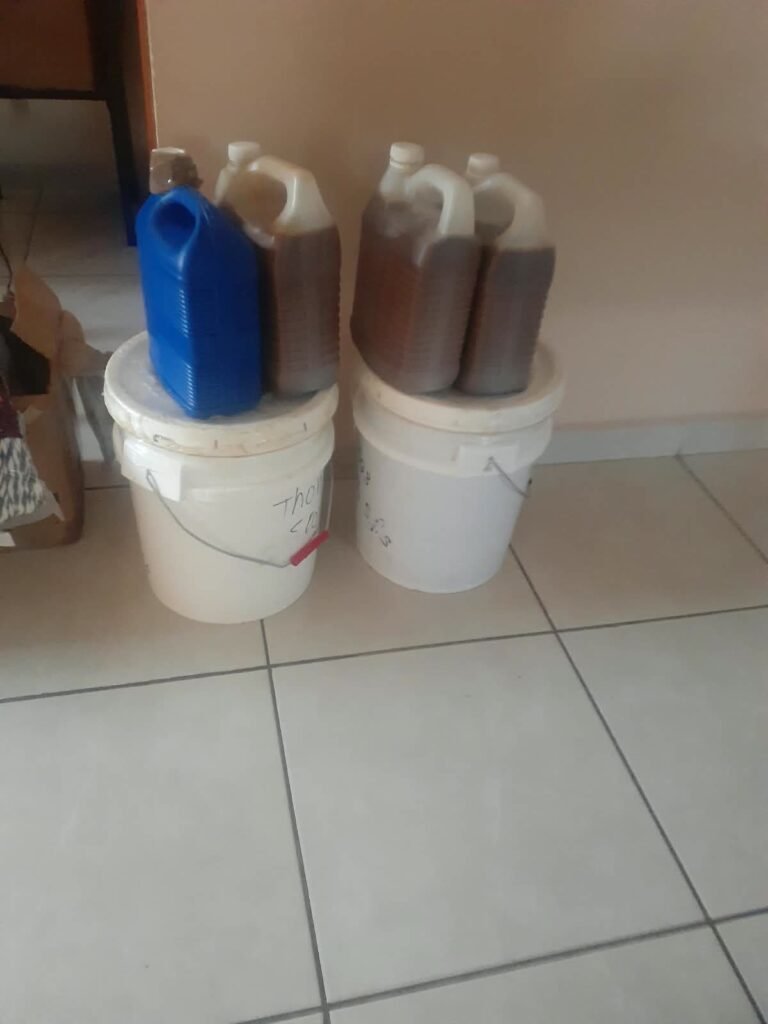
- Research and development: a paid sample or a 1-gallon container (about 3.8 liters). Enough for many prototypes and stability tests.
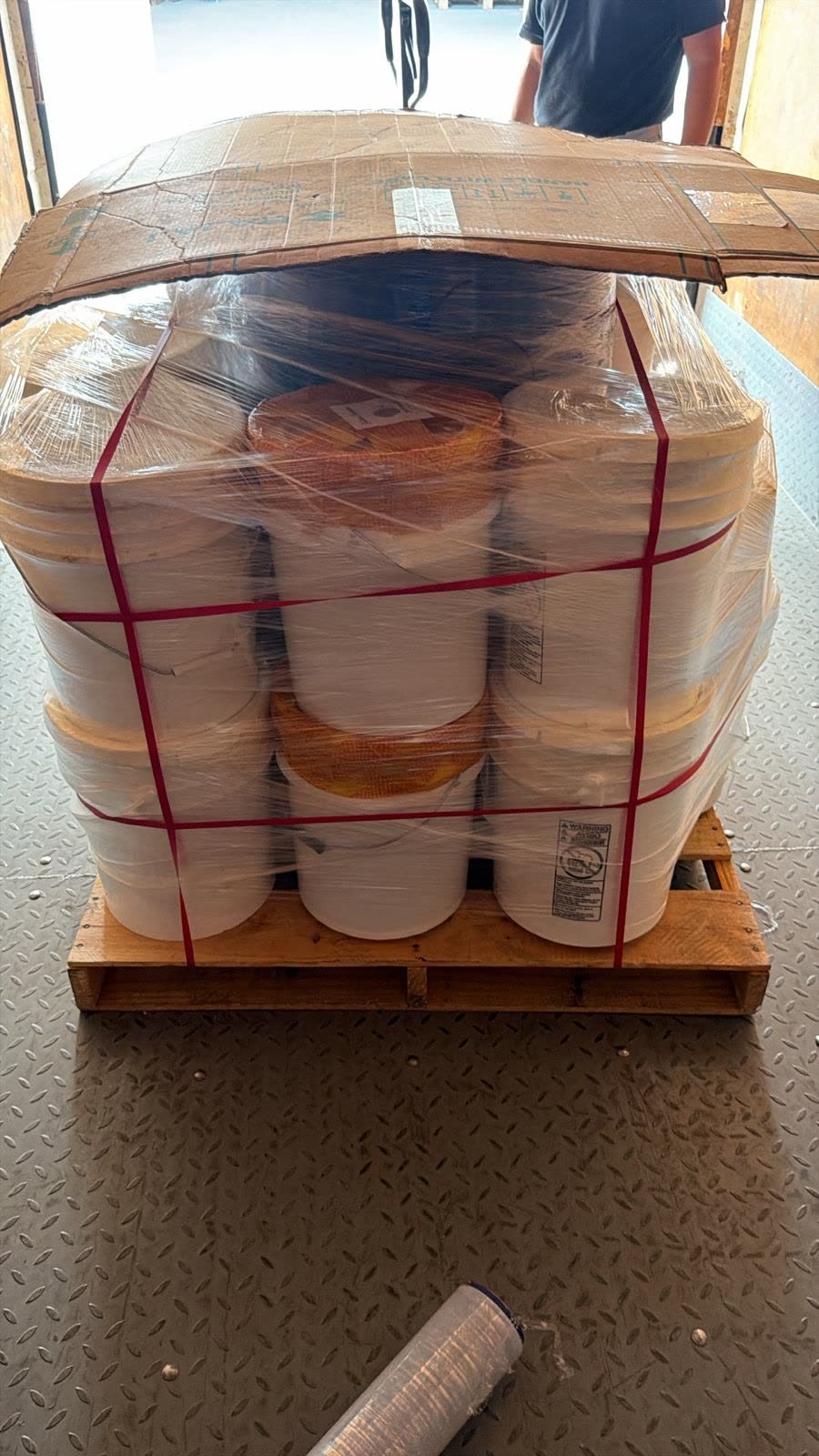
- Pilot run and first sales: 5-gallon buckets (19 liters). Easy to handle, store and dispense in a small workshop or salon.
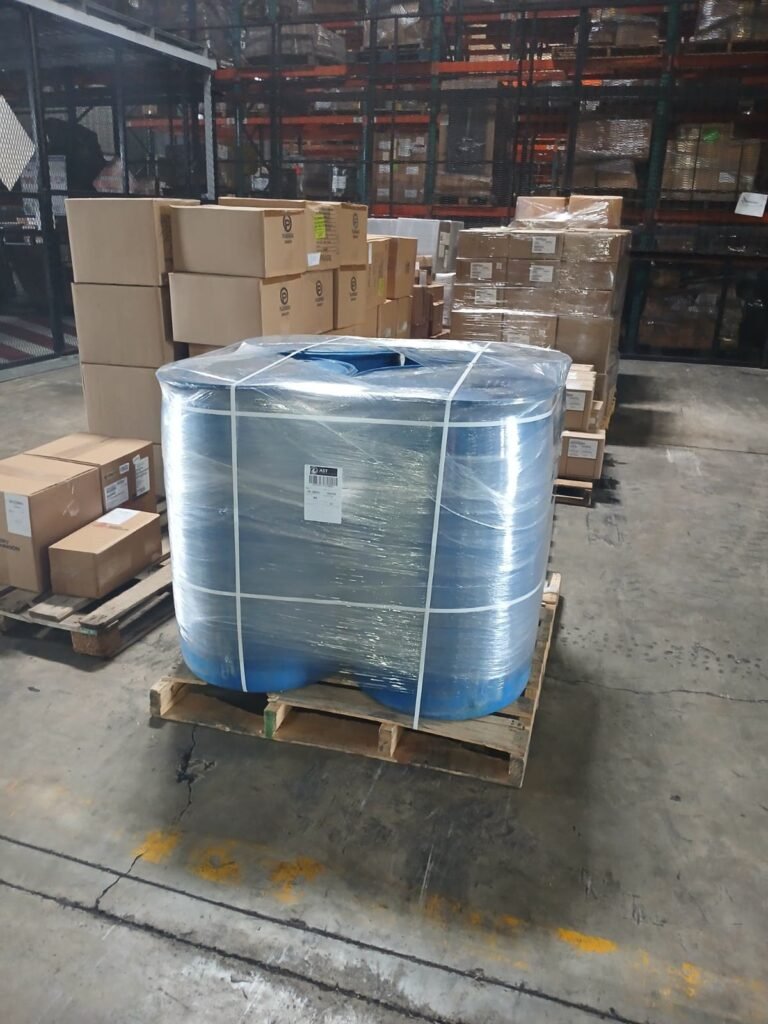
- Regular production: 55-gallon barrels (240 liters), for brands, contract manufacturers and distributors with stable demand.
Our minimum order is one gallon, and lead times run from 7 to 20 days depending on quantity. You can see all package sizes and the product specs on our main page.
Building your cost per unit
Authentic batana costs more than generic carrier oils, so it pays to understand where the money goes before you set a retail price. When you build your cost per unit, include:
- The oil itself, priced per gallon, bucket or barrel. Larger packages usually lower the cost per liter.
- Freight and import costs, which depend on your shipping term. Under EXW you arrange everything from our facility; under FOB we deliver to the port of export; under DAP we deliver to your named place, and you handle import duties and clearance.
- Production losses, such as oil left in containers and equipment, and test batches.
- Other ingredients and packaging, including amber or opaque jars that suit a dark product.
- Your margin and your retailers’ margin, if you sell through shops or salons.
Two practical tips. First, compare suppliers on the landed cost per liter (oil plus freight to your door), not just the price per gallon. Second, if you blend batana with other oils, calculate the cost at your real usage level. A blend lets you offer an authentic batana product at an accessible price without diluting your claims, as long as your label is honest about what is inside.
A simple starting plan for salons
Salons are one of the fastest ways to put batana in front of customers, because a stylist can explain it and show it. A practical first step:
- Start with one 5-gallon bucket (or one gallon for a small salon).
- Offer a batana treatment as a service, such as a warm pre-wash oil treatment, before launching a retail product.
- Listen to clients’ reactions to the aroma, texture and finish.
- Then launch a retail jar or a blended oil under the salon’s name, using what you learned.
This approach tests demand with very little risk and turns your stylists into the best ambassadors for the product.
A launch checklist for your batana product
- Supplier verified: origin, INCI, raw or refined, export documents.
- Sample tested in your actual formula, including a cold and a warm storage test.
- Aroma and color decisions made, and packaging chosen to match.
- Batch tracking set up for incoming batana.
- Label reviewed: INCI, origin statement, cosmetic-only claims, use instructions.
- First bulk order sized to your stage (1 gal, 5 gal or 55 gal).
- Reorder timing planned around lead times.
The bottom line
A private label batana product succeeds when the oil is authentic, the format suits its character and the label tells the truth. Get those three right and you have a product with a story your customers can believe.
Before you buy, make sure the oil is real: our guide on how to spot fake batana oil has nine checks. When you are ready to order, our step-by-step guide to buying batana oil wholesale covers sizes, shipping terms and documents.